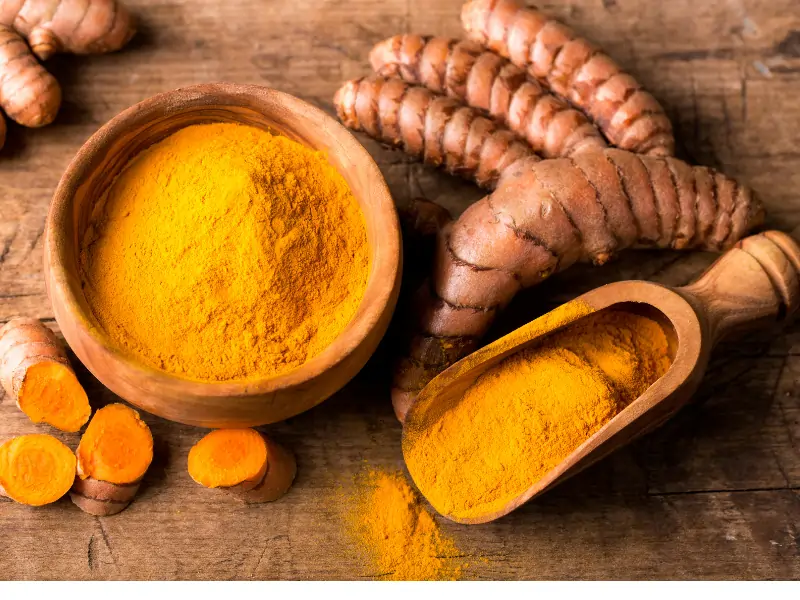
Turmeric: The Golden Spice Your Body Has Been Craving
Reduce inflammation, glow from within, balance hormones, and protect your brain — all with one extraordinary kitchen herb backed by 12,000+ scientific studies.
🌟 Explore BenefitsWhy Turmeric is the Most Researched Plant Medicine on Earth
Turmeric (Curcuma longa) isn’t just a kitchen spice — it’s nature’s most versatile healer. In Ayurveda, it’s classified as a “divya aushadhi” — a divine medicine — used to purify the blood, clear the skin, strengthen digestion, and bring brilliance to the mind.
The star compound, curcumin, is a polyphenol that simultaneously blocks NF-κB (the master inflammation switch), inhibits COX-2 enzymes (the same target as ibuprofen), and scavenges reactive oxygen species — making it nature’s most comprehensive anti-inflammatory agent.
8 Powerful Benefits Especially for Women
Fights Chronic Inflammation
Inhibits the same inflammatory pathways targeted by NSAIDs — without the gastrointestinal side effects.
Glowing Skin
Reduces melanin production for even skin tone, fights acne bacteria, and boosts collagen synthesis.
PMS & Period Relief
Clinical studies show curcumin reduces menstrual pain severity comparable to mefenamic acid.
Brain Protection
Increases BDNF (brain-derived neurotrophic factor) — the brain fertilizer that prevents cognitive decline.
Joint & Bone Health
Reduces RA inflammation markers and may slow cartilage degradation in osteoarthritis.
Heart Health
Improves endothelial function and lowers LDL oxidation — key factors in women’s cardiovascular risk.
Endometriosis Support
Inhibits estrogen-dependent cell growth shown in early in-vitro studies on endometrial tissue.
Gut Microbiome
Increases Lactobacillus and Bifidobacterium populations while reducing inflammatory gut bacteria.
The Absorption Problem — and How to Solve It
Raw turmeric has a dirty secret: curcumin is poorly absorbed on its own. Less than 1% reaches your bloodstream after digestion. Here’s how different preparation methods stack up:
💡 The Ayurvedic tradition already knew this — traditional recipes always combine turmeric with ghee and black pepper in “Haridra Khanda” formulation.
✨ Authentic Golden Milk (Haldi Doodh) Recipe
This classical Ayurvedic recipe dates back to the Charaka Samhita and contains all three absorption-enhancers.
Warm 1 cup whole milk (or oat milk) over medium heat — do not boil.
Whisk in 1 tsp organic turmeric powder until fully dissolved.
Add ¼ tsp freshly ground black pepper (piperine for absorption).
Stir in 1 tsp pure ghee or coconut oil (fat-soluble carrier).
Add ¼ tsp cinnamon, pinch of cardamom, and sweeten with raw honey.
Sip slowly, 30 minutes before bed. Traditionally taken during autumn season.
Turmeric vs Curcumin Supplements — Which to Choose?
| Factor | Whole Turmeric | Curcumin Extract | Full-Spectrum Extract |
|---|---|---|---|
| Curcumin content | 3–5% | 95% | 45–75% |
| Other curcuminoids | ✓ Present | ✗ Removed | ✓ Present |
| Essential oils (turmerones) | ✓ Present | ✗ Removed | ✓ Present |
| Gut microbiome benefits | ✓ Strong | Limited | ✓ Good |
| Best for inflammation | Mild | ✓ Strong | ✓ Strong |
| Ayurvedic compatibility | ✓ Preferred | Modern | Balanced |
Your Turmeric Questions, Answered
For culinary use: 1–3 teaspoons daily is safe and beneficial. For therapeutic supplementation: 500–2000mg of curcumin extract per day (divided doses). Always combine with black pepper or fat. The WHO considers up to 1.4mg/kg body weight per day as safe for long-term use.
Research is promising. Curcumin reduces insulin resistance, lowers inflammatory cytokines elevated in PCOS, and may improve androgen profiles. A 2020 pilot study found curcumin supplementation improved metabolic markers in PCOS patients. Consult your doctor before using therapeutically.
Culinary amounts (normal cooking) are completely safe and nutritious during pregnancy. High-dose curcumin supplements are not recommended during pregnancy as they may stimulate uterine contractions. Always discuss any supplementation with your OB-GYN or midwife.
Ironically, turmeric can temporarily yellow teeth but paradoxically is used in Ayurvedic tooth powder (dant manjan) for whitening. After consuming golden milk, rinse your mouth. Brushing with coconut oil pulling first reduces staining. The yellow pigment is water-soluble and dissipates quickly.
Yes — this is “Haridra Lepa” in Ayurveda. Mix ¼ tsp turmeric with yogurt, honey, or aloe vera gel. Apply for 10–15 minutes. Reduces acne, hyperpigmentation, and gives a traditional “haldi glow.” Use Kasturi turmeric (wild turmeric) for face applications as it doesn’t stain.
Important: High-dose curcumin supplements can interact with blood thinners (warfarin, aspirin), diabetes medications (hypoglycemia risk), and certain chemotherapy drugs. Regular cooking quantities are safe for most people. Always disclose supplement use to your healthcare provider.

Share Your Best Practice
Takes 60 seconds · Could help thousands
💌 Prefer email? Write to us any time at contact@ehealify.com — we read every message.
[fluentform id=”9″]