Yes — several things changed. Your 30s bring a distinct shift in hormone levels, collagen production, cell turnover speed, and stress load. Ayurveda mapped these changes 3,000 years ago and called it a transition in your body’s dominant dosha. Modern dermatology confirms many of the same mechanisms.
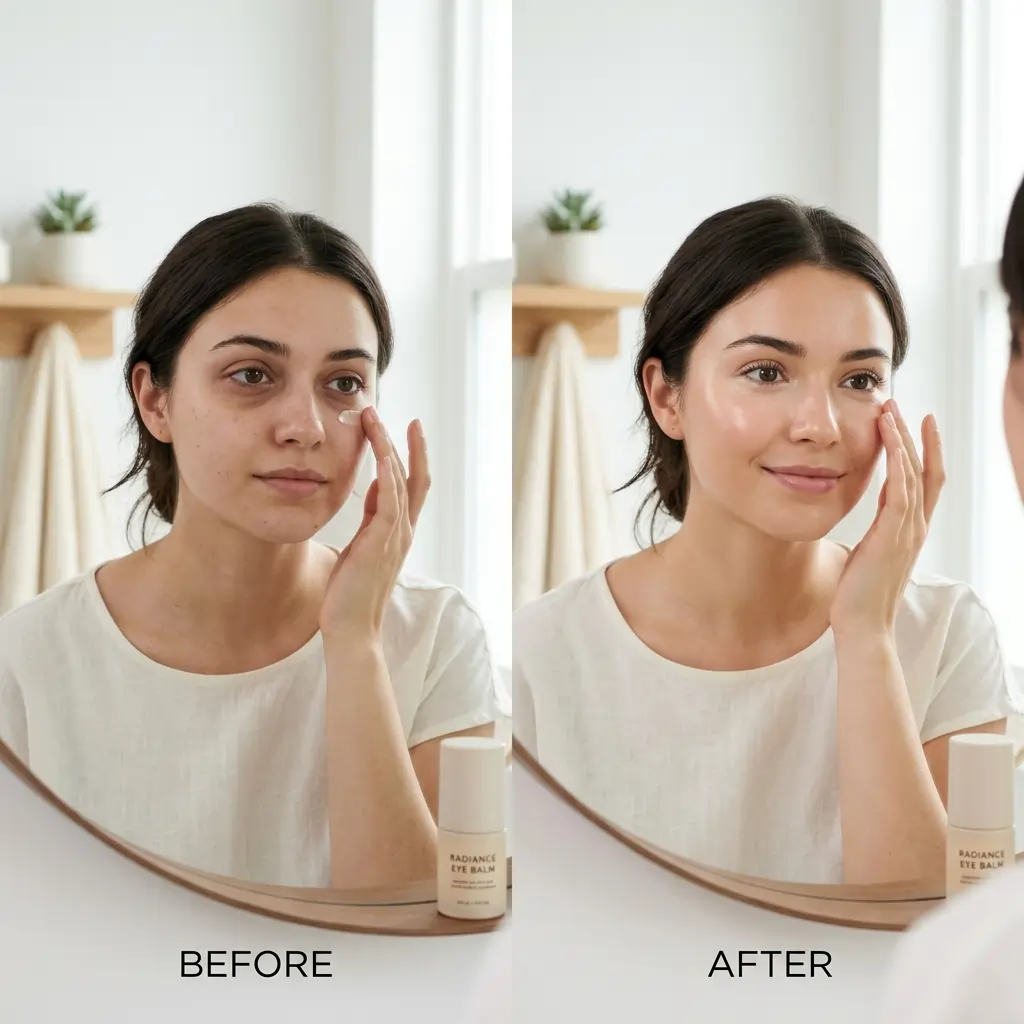
The good news: uneven tone is one of the most responsive skin issues to the right herbal approach. Here’s what’s actually happening, and what genuinely helps.
The 5 Real Causes of Uneven Skin Tone After 30
In your 20s, skin renewed itself every 28 days. After 30, this slows to 40–60 days. Old, pigmented cells stay on the surface longer — making tone look uneven and flat.
Even in the early 30s, estrogen begins a slow decline. This affects melanin regulation — the pigment responsible for your skin color — leading to dark spots in some areas and pallor in others.
Ayurveda connects uneven skin tone directly to elevated Pitta — the heat dosha. Stress, inflammatory foods, alcohol, and lack of sleep all increase Pitta. The result: flushing, redness and hyperpigmentation clusters.
UV damage from your teens and 20s begins surfacing visibly in your 30s as melanin clusters. These appear as brown spots, melasma, or a generally muddy tone — even if you’ve been using SPF for years.
Post-inflammatory hyperpigmentation (PIH) happens when any breakout, irritation, or even facial rubbing triggers excess melanin. In your 30s, this fades more slowly than it used to.
Melasma — The Hormone-Driven Dark Patch
Melasma is one of the most common skin concerns in women between 30 and 50. It creates brown or grey-brown patches on the cheeks, upper lip and forehead. It is directly triggered by estrogen and progesterone fluctuations — which is why it gets worse during pregnancy, with birth control pills, and around perimenopause. Topical creams alone rarely fix melasma because the trigger is hormonal. Ayurveda addresses the hormonal root alongside the skin.
Bhrajaka Pitta — Your Skin’s Inner Intelligence
Ayurveda describes Bhrajaka Pitta as the aspect of the fire dosha that lives in the skin and governs complexion, luster and tone. When Bhrajaka Pitta is disturbed by excess heat — from stress, sun, spicy food, or hormonal shifts — it causes uneven pigmentation. Cooling the body from within, through specific herbs and dietary changes, calms Bhrajaka Pitta and allows the skin to find its natural evenness again over 6 to 10 weeks.
Ayurvedic Ingredients That Actually Even Skin Tone
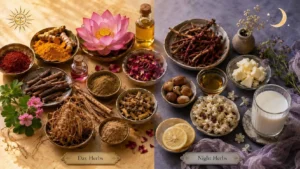
These herbs have clinical backing alongside centuries of traditional use. They work by reducing melanin overproduction, clearing internal inflammation, and rebuilding skin cell integrity.
Ayurveda’s top herb for blood purification and skin tone. Inhibits tyrosinase (the enzyme that makes excess melanin) and reduces post-inflammatory hyperpigmentation.
A cooling astringent bark used specifically for hormonal skin issues including melasma. Helps regulate estrogen-related skin changes and tightens pores.
Curcumin in turmeric suppresses melanin synthesis and calms skin inflammation. Works best when combined with black pepper or taken in oil-based form for absorption.
Ayurveda’s premier herb for women’s hormonal balance. When hormones are the root cause of uneven tone, Shatavari works from the inside to regulate estrogen and progesterone naturally.
Which Approach Works for Which Type of Unevenness?
| Skin Issue | Best Ayurvedic Herb | Also Good | Internal or Topical? |
|---|---|---|---|
| Dark spots from sun | Manjistha | Turmeric | Both |
| Melasma (hormonal patches) | Shatavari + Lodhra | Manjistha | Internal first |
| Redness and flushing | Neem + Turmeric | Aloe vera | Topical |
| Post-breakout marks | Manjistha | Kumkumadi oil | Both |
| Overall dullness + patches | Triphala | Saffron | Internal |
✦ 4-Week Pitta-Cooling Skin Tone Routine
What to Look For on the Label
Many US brands claim Ayurvedic benefits but use diluted extracts. For real results with uneven tone, look for these on ingredient lists: