Best Herbs for
Focus, Memory& Mental Clarity
A research-informed guide to the most studied botanicals for women seeking calmer, sharper thinking — without relying on stimulants or caffeine.
The Most Studied Herbs for Cognitive Wellness
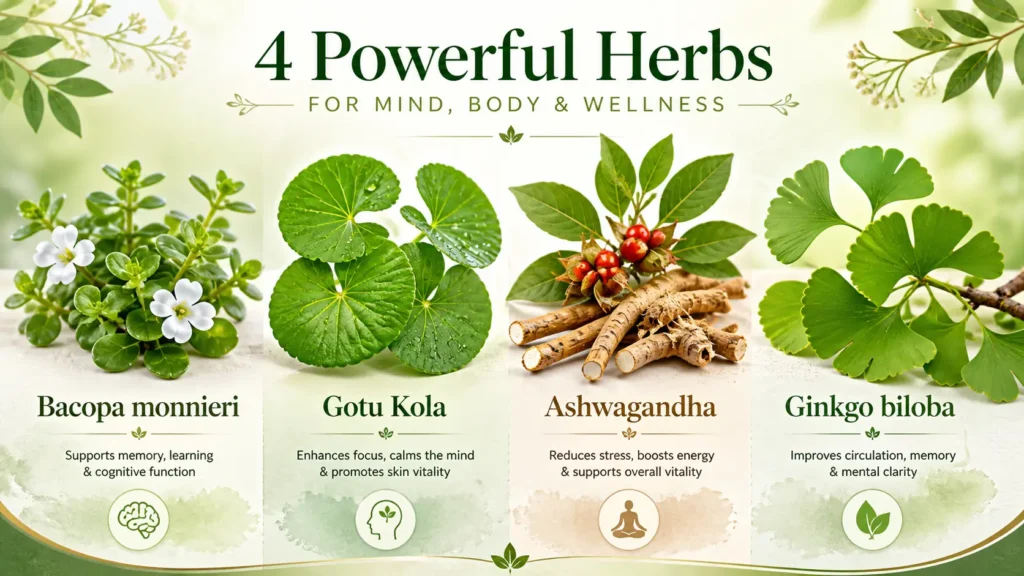
The four most commonly discussed botanicals for focus, memory, and mental clarity are Bacopa monnieri (memory & attention), Gotu Kola (calm clarity), Ashwagandha (stress-related brain fog), and Ginkgo biloba (circulation & memory). Each works through a different pathway, which is why many women combine two or more depending on their needs.
Mental Overload Is Real
Many women are not simply tired — they are cognitively overloaded. Research shows women are more likely than men to report symptoms of mental fatigue, linked to the “mental load” of managing multiple responsibilities simultaneously.
4 Botanicals Most Used for Focus & Memory
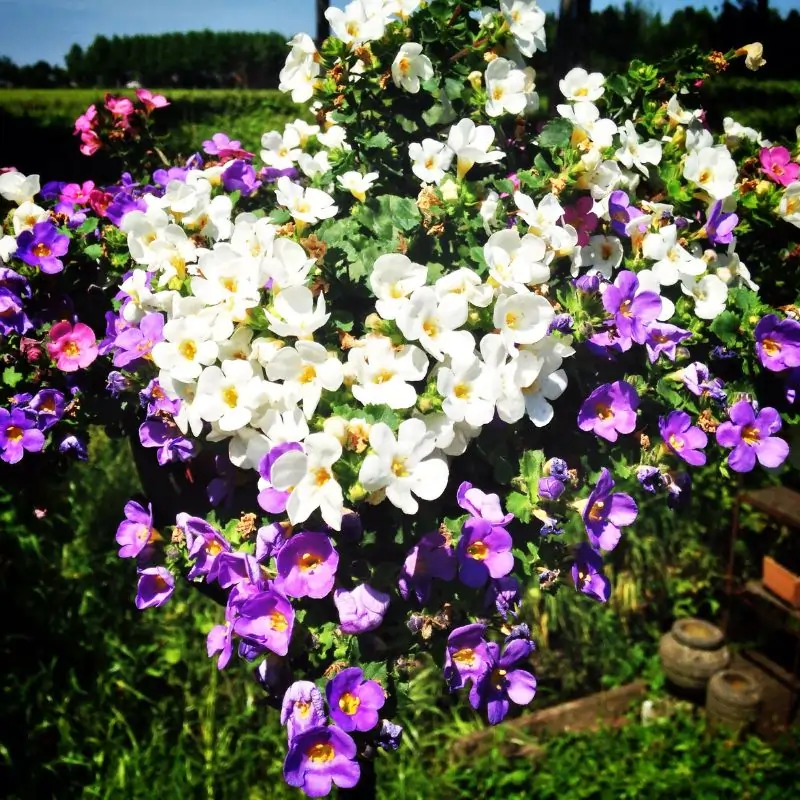
Bacopa monnieri
Bacopa has the strongest clinical evidence among all nootropic herbs for memory and learning. Used for over 3,000 years in Ayurvedic medicine as a “medhya rasayana” (mind-rejuvenating herb), it is one of the most studied botanicals in cognitive science.
Its active compounds — bacosides A and B — support the repair of damaged neurons, enhance acetylcholine transmission, and reduce oxidative stress in the brain. Multiple double-blind trials suggest improvements in free recall, processing speed, and working memory with consistent use over 8–12 weeks.
Clinical note: Bacopa typically takes 4–12 weeks of daily use to show measurable cognitive effects. Shorter trials show less consistent results.
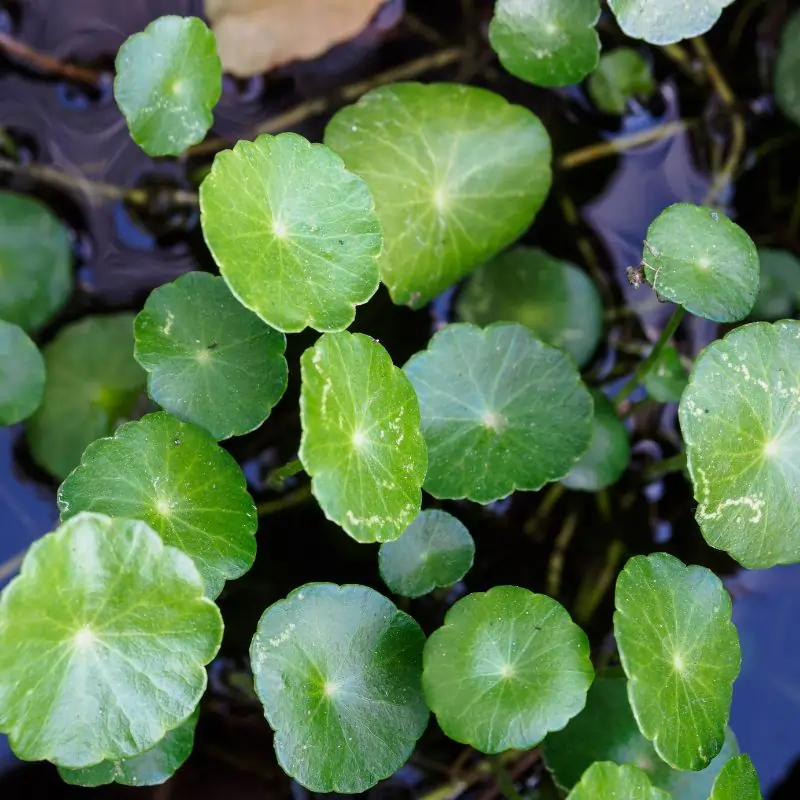
Gotu Kola (Centella asiatica)
Gotu Kola has been used in both Traditional Chinese Medicine and Ayurveda for over 2,000 years — often called “the herb of longevity.” Unlike Bacopa, which targets memory consolidation, Gotu Kola is more associated with cognitive circulation, neuroplasticity, and calm alertness.
Its active triterpenes (asiaticoside, madecassoside) support brain-derived neurotrophic factor (BDNF), helping the brain form new neural connections. Research also links it to reduced anxiety and improved cognitive flexibility — ideal for women with mentally demanding, high-stress routines.
Gotu Kola is also traditionally used for skin and vascular health — making it popular in multi-benefit women’s wellness formulas.
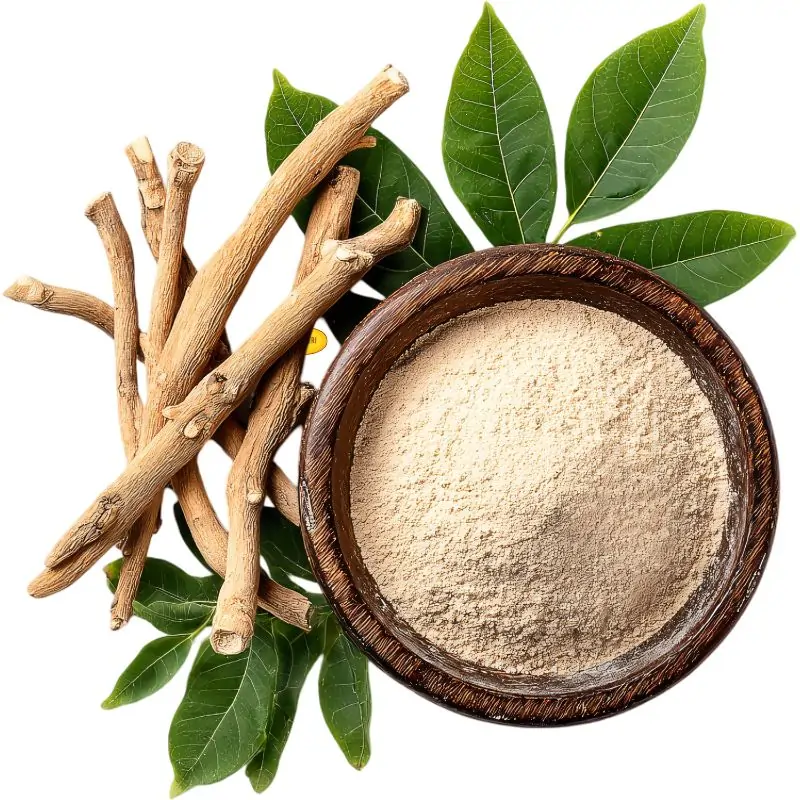
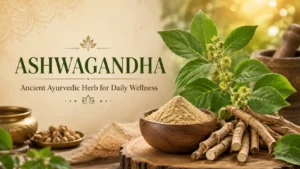
Ashwagandha (Withania somnifera)
Ashwagandha is the most commercially popular adaptogen in the world — and for cognitive wellness, it takes an indirect but significant path. Rather than directly boosting memory enzymes, it works by reducing elevated cortisol, one of the main disruptors of focus, memory formation, and sleep quality.
Clinical trials using KSM-66® and Sensoril® extracts have shown reductions in self-reported stress and cortisol levels over 8 weeks, alongside improvements in immediate memory, general cognitive function, and reaction time. It’s particularly useful for women whose cognitive difficulties are driven by chronic stress or burnout.
Ashwagandha may interact with thyroid medications and sedatives. Always consult a healthcare provider if you take any prescription medication.

Ginkgo biloba
Ginkgo biloba is derived from one of Earth’s oldest surviving tree species — living fossils dating back 270 million years. It is among the most researched herbs for cerebrovascular function and cognitive aging. Its dual-action compounds (flavone glycosides + terpene lactones) enhance cerebral blood flow and act as antioxidants in neural tissue.
Research suggests Ginkgo may be particularly useful for age-related cognitive changes: supporting processing speed, executive function, and recall in women over 40. Standardised extracts (EGb 761®, at 120–240 mg daily) are the most clinically studied form.
Important: Ginkgo has blood-thinning properties. Do not take before surgery or alongside blood-thinning medications without medical supervision.
Herb Comparison at a Glance
← Swipe table to see all columns on mobile
| Herb | Primary Mechanism | Time to Effect | Best Goal | Caution |
|---|---|---|---|---|
| Bacopa | Bacoside-mediated neurotransmitter support; antioxidant | 8–12 weeks | Memory, retention, attention | May cause GI upset; take with food |
| Gotu Kola | BDNF support, cerebral circulation, anxiety reduction | 4–8 weeks | Calm focus, stress clarity | Possible skin sensitivity in high doses |
| Ashwagandha | Cortisol modulation via HPA axis; adaptogenic | 4–8 weeks | Stress-related brain fog | Thyroid & sedative interactions |
| Ginkgo biloba | Cerebral vasodilation; flavonoid antioxidants | 6–12 weeks | Memory circulation, aging support | Mild blood-thinning; avoid pre-surgery |
Which Herb May Suit You Best?
Improve memory & recall
Bacopa is the most studied herb specifically for memory consolidation and information retention. Best for students and high-recall professions.
Reduce mental stress fog
Ashwagandha addresses brain fog at its cortisol source. Ideal when stress and overwhelm are behind your cognitive struggles.
Calm, sustained attention
Gotu Kola suits women who want balanced alertness — focused without jittery energy, especially during long working sessions.
Long-term support (35+)
Ginkgo biloba is well-researched for age-related cognitive changes — supporting circulation and processing speed as the brain matures.
How Herbs Fit Into a Whole-Brain Routine
No herb replaces the foundational habits that support cognition. Research consistently shows sleep, hydration, movement, and reduced screen fragmentation have a greater impact on daily focus than any supplement alone.
Important Safety Considerations
Herbal supplements are not regulated as medicines in most countries. Quality, purity, and dosage vary widely between brands. Always consult a qualified healthcare professional before starting any new supplement.
Speak with your doctor before using any herbal supplement if you are in any of the following situations:
- Pregnant or breastfeeding
- Taking prescription medications (especially blood thinners, thyroid, or antidepressants)
- Scheduled for surgery within 2 weeks
- Managing an existing condition, particularly liver, kidney, or autoimmune
- Under 18 years of age
Disclaimer: This page is for general wellness information only. Herbal supplements are not intended to diagnose, treat, cure, or prevent any disease or medical condition.
Frequently Asked Questions
What is the best single herb for memory?
How long before I notice any difference?
Can I take these herbs together?
Are herbal supplements the same as caffeine for focus?
Are these herbs safe during perimenopause?
Should I choose a single herb or a blended formula?
Final Thoughts
The science of plant-based cognitive support is still maturing, but Bacopa, Gotu Kola, Ashwagandha, and Ginkgo biloba have earned their place in evidence-informed wellness for a reason. Each addresses a different root pathway — memory consolidation, calm circulation, cortisol overload, or cerebrovascular aging.
The most effective approach is not the strongest herb — it is the right herb for your specific situation, paired with sleep, movement, and a mind that gets real breaks throughout the day.